
The Allure of Risk and Reward
The thrill of gambling often stems from the psychological attraction to risk and reward. Players in a casino environment are drawn to the potential for high payouts, which can ignite a rush of adrenaline. This desire for instant gratification can lead to an addictive cycle, as the highs of winning can overshadow the lows of losing. As individuals explore various aspects of gambling, they may even consider alternatives likecanada casinos online for their gaming needs. Understanding this dynamic is crucial for both players and casino operators, as it shapes overall engagement and behavior within the gaming space.
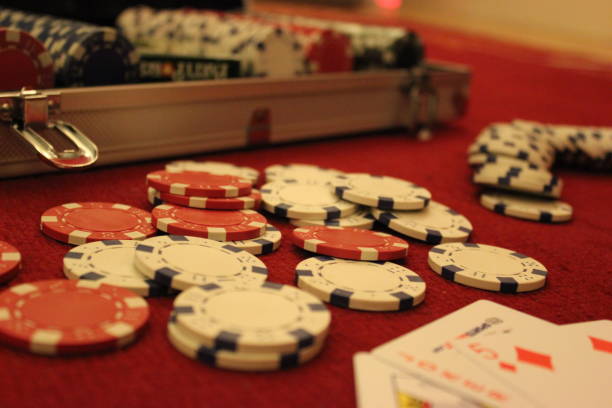
Moreover, the unpredictable nature of gambling enhances the psychological aspect of the experience. Players often encounter variable reinforcement schedules, where wins may come sporadically. This unpredictability keeps players on edge, reinforcing the urge to continue playing in hopes of the next big win. Casinos leverage this understanding, designing environments that maximize excitement and encourage prolonged engagement.
Social Influences in Gambling Behavior
The casino environment is inherently social, influencing player behavior through interactions with others. The presence of fellow gamblers can amplify emotions, leading to heightened excitement and sometimes poor decision-making. Social psychology suggests that people often mimic the behaviors of those around them; thus, witnessing others win can spur players to take more risks than they normally would. This social contagion effect can significantly impact gambling patterns, creating a communal atmosphere that is both thrilling and potentially dangerous.
Additionally, social bonding plays a significant role in the gambling experience. Many players enjoy the social aspect of casinos, finding camaraderie and shared experiences that enhance their enjoyment. Casinos often promote group games and communal spaces to foster these connections, understanding that the social environment can be as enticing as the games themselves.
The Role of Environment and Design
The design of a casino has a profound impact on player behavior and psychology. Casinos are meticulously crafted to create immersive experiences that captivate players’ attention and encourage them to stay longer. Elements such as lighting, sound, and layout are strategically placed to enhance the sensory experience, often disorienting players and making it difficult for them to track time. This environment can lead to what is known as “loss of time,” where players lose awareness of how long they have been gambling, contributing to increased spending.
Furthermore, the use of rewards and comp programs plays a significant role in player psychology. Casinos often provide incentives such as free drinks, meals, or even luxury accommodations to encourage continued play. These rewards create a sense of loyalty and can distort players’ perceptions of their spending, making them feel as though they are receiving value even when they are losing money overall.
The Impact of Cognitive Biases
Cognitive biases significantly influence gambling behavior, often leading players to make irrational decisions. One common bias is the “gambler’s fallacy,” where players believe that past outcomes will influence future results, leading them to chase losses or stick with a losing game. This fallacy can erode a player’s financial stability and lead to compulsive gambling behavior.
Additionally, the illusion of control is a powerful cognitive bias prevalent in casino environments. Players often perceive that they have more influence over outcomes than they do, particularly in games that involve skill or strategy. This belief can encourage continued play, even in the face of significant losses. Understanding these biases is essential for both players and operators to promote healthier gambling practices and protect against addiction.

Ensuring a Safe and Responsible Gaming Experience
In recognizing the psychological factors at play in gambling, many casinos are implementing measures to foster a responsible gaming environment. This includes creating awareness about gambling addiction and offering support resources for those who may experience negative effects. By prioritizing player safety, casinos can maintain a positive reputation while promoting healthy gambling habits.
Furthermore, effective security protocols protect both the casino’s assets and its patrons. Casinos aim to create a secure environment that allows players to focus solely on enjoyment and entertainment. The industry is increasingly recognizing the importance of safeguarding mental health alongside physical security, striving to balance profitability with social responsibility to ensure a sustainable gaming experience.